

The dream of becoming a parent is one of the most cherished goals for many couples and individuals. However, infertility can sometimes make this journey challenging. Thankfully, modern medical science has given us IVF (In Vitro Fertilization), a treatment that has helped millions of people experience the joy of parenthood. While IVF is often done using the couple’s own eggs and sperm, there are times when this is not possible or may not give the best results.
In such cases, doctors may recommend the use of donor eggs or donor sperm. These options not only improve the chances of success but also provide a safe and reliable way to achieve pregnancy. Understanding when and why to consider donor eggs or donor sperm in IVF can help couples make informed decisions and feel more confident about their next steps.
What Are Donor Eggs and Donor Sperm?
Before deciding, it’s important to understand what donor eggs and donor sperm mean in the context of IVF.
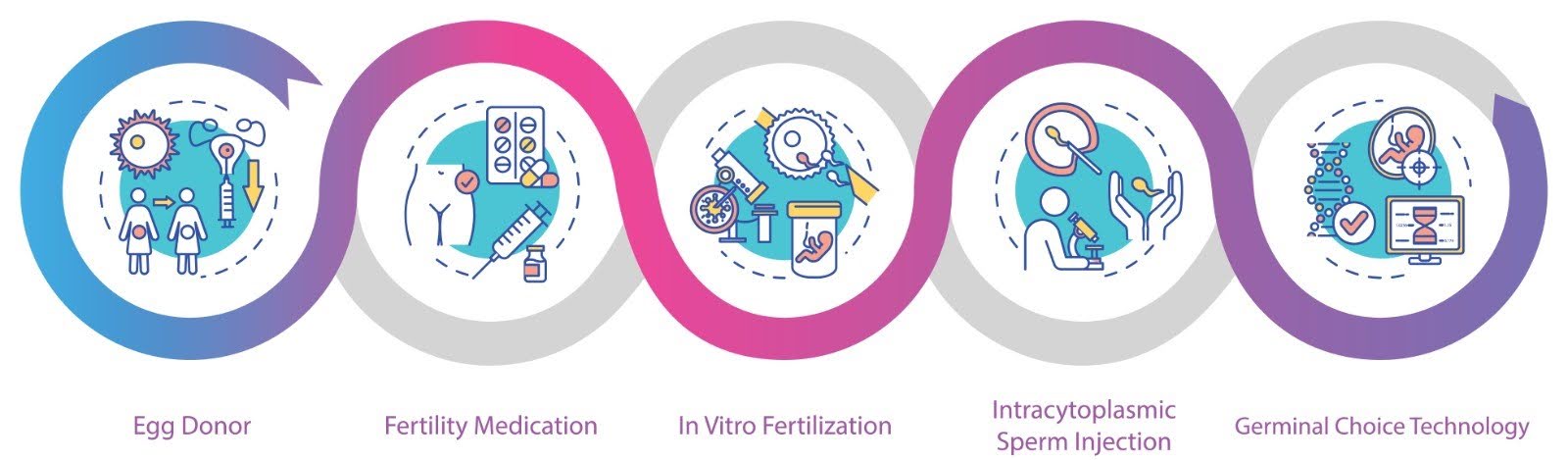
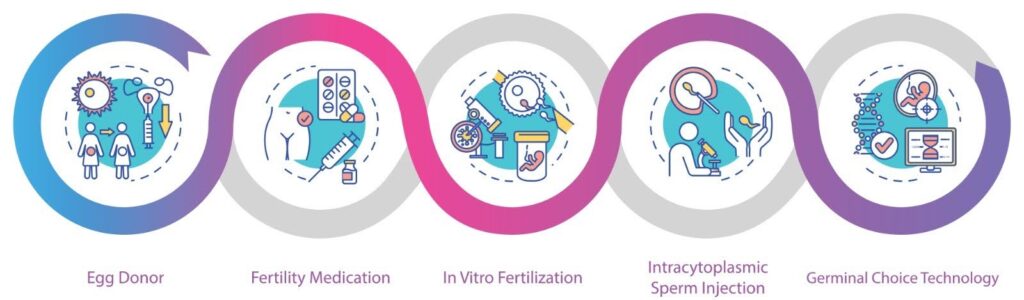
Donor Eggs: These are eggs donated by a healthy, fertile woman. The donor is usually younger, and her eggs are carefully screened to ensure quality and safety. The eggs are then fertilized with sperm (from the partner or a donor) in a lab to create embryos, which are later transferred into the recipient’s uterus.
Donor Sperm: This refers to sperm donated by a healthy male, also screened for genetic health, infections, and overall quality. The sperm can be used for IVF or for IUI (Intrauterine Insemination), depending on the treatment plan.
Both methods are widely used across the world and have helped countless people overcome infertility challenges.
When Should You Consider Donor Eggs in IVF?
There are several situations where donor eggs in IVF may be the best option:
1. Low Ovarian Reserve or Poor Egg Quality
As women age, the number of eggs in their ovaries decreases, and the quality of eggs may also decline. This is known as low ovarian reserve. Women with this condition often struggle to conceive naturally or even through IVF with their own eggs. Using donor egg IVF offers a higher chance of success because the eggs come from younger, healthier donors.
2. Advanced Maternal Age
Fertility naturally declines after the age of 35, and the chances of miscarriage or genetic issues increase. Women above 40 often face difficulties in conceiving with their own eggs. Donor eggs provide a way to bypass this age-related challenge, significantly improving IVF success rates.
3. Genetic Conditions
If a woman carries a genetic disorder that may pass on to the baby, using donor eggs can reduce this risk. This ensures the baby is free from inherited conditions that could otherwise be unavoidable.
4. Previous IVF Failures
Sometimes, couples undergo multiple IVF cycles without success due to poor egg quality. In such cases, doctors may recommend donor eggs in IVF as a practical and effective option to improve the chances of pregnancy.
When Should You Consider Donor Sperm in IVF?
Just like women, men can also face fertility challenges. Here are some situations where donor sperm in IVF may be recommended:
1. Severe Male Infertility
Issues like very low sperm count, poor sperm motility (movement), or abnormal sperm shape can make natural conception difficult. Even with advanced IVF techniques like ICSI (Intracytoplasmic Sperm Injection), sometimes the sperm is not suitable. Donor sperm can help overcome this problem.
2. No Sperm Production
Certain medical conditions, surgeries, or genetic issues may result in the absence of sperm production. In such cases, using donor sperm in IVF becomes the only viable option to achieve pregnancy.
3. Genetic Issues in Men
If the male partner carries a genetic disease that has a high chance of being passed on to the child, doctors may suggest using donor sperm to ensure a healthy baby.
4. Single Women and Same-Sex Couples
Single women who wish to become mothers and same-sex female couples often rely on donor sperm to conceive. This option provides them with a safe, tested, and reliable way to achieve parenthood.
Benefits of Using Donor Eggs or Donor Sperm in IVF
Choosing donor eggs or donor sperm may feel overwhelming at first, but it comes with many benefits:
Higher Success Rates
Since donor eggs and donor sperm are taken from healthy, young donors, they increase the chances of fertilization and successful pregnancy.
Healthy and Screened Donors
Donors undergo strict medical and genetic screenings. This reduces the risk of passing on diseases or conditions to the baby.
A Chance to Experience Pregnancy
Even if the eggs or sperm are from a donor, the recipient woman still carries the baby. This allows her to experience pregnancy and childbirth fully.
Parenthood for All
Donor eggs and sperm make it possible for single women, same-sex couples, and those struggling with infertility to achieve their dream of parenthood.
Reduced Genetic Risks
For couples with genetic issues, using donor material can prevent the transmission of genetic diseases.
Emotional and Practical Considerations
While medical benefits are clear, the emotional side of using donor sperm or donor eggs in IVF should not be ignored.
Emotional Acceptance
Couples may initially struggle with the idea that the baby will not carry the genes of one parent. However, many realize that love, care, and upbringing matter more than genetics.
Counseling Support
Most fertility clinics provide counseling to help couples deal with emotional challenges. Talking to professionals can make the journey smoother.
Open Communication
It is important for partners to have honest conversations about their feelings, expectations, and concerns before moving forward.
Confidentiality and Legal Protection
Donor programs are usually anonymous, and strict laws are in place to protect both the donor and recipient. This ensures a safe and ethical process.
How to Decide If Donor Eggs or Donor Sperm Is Right for You?
Every fertility journey is unique. Here are a few steps to guide your decision:
- Consult a Fertility Specialist
- Your doctor will review your medical history, test results, and previous IVF outcomes before suggesting donor options.
- Your doctor will review your medical history, test results, and previous IVF outcomes before suggesting donor options.
- Understand the Process
- Learn about how donor eggs or donor sperm are selected, screened, and used in IVF. Knowledge reduces anxiety.
- Learn about how donor eggs or donor sperm are selected, screened, and used in IVF. Knowledge reduces anxiety.
- Evaluate Emotional Readiness
- Both partners should feel emotionally ready for this step. Counseling may help.
- Both partners should feel emotionally ready for this step. Counseling may help.
- Think Long-Term
- Consider how you will feel about explaining this to your child in the future. Many families choose openness as the healthiest approach.
Conclusion
Deciding to use donor sperm or donor eggs in IVF is never an easy step, but for many people, it is the turning point that leads them to parenthood. Whether it’s due to low egg reserve, poor sperm quality, genetic concerns, or repeated IVF failures, donor options can offer renewed hope.
The most important thing to remember is that being a parent is not just about sharing genes—it’s about love, care, and creating a family. If you are struggling with infertility and wondering about your options, speak with a trusted fertility specialist. With the right guidance, donor egg IVF or donor sperm IVF could be the path that finally helps you achieve your dream of becoming a parent.
At IHR IVF, we understand the emotional and medical challenges that come with fertility treatments. Our team of experts provides compassionate care, advanced technology, and personalized treatment plans to support you at every step. Whether you are considering donor eggs in IVF or donor sperm in IVF, IHR IVF is here to help you turn hope into reality.
.png) (+91) 9864103333
(+91) 9864103333 (+91) 9435502020


